forum
library
tutorial
contact

Energy Northwest, WA Debt Rating Outlook
Revised to Negative on Multiple Credit Exposures
by Staff
S&P Global, April 21, 2026
|
the film forum library tutorial contact |
|
Energy Northwest, WA Debt Rating Outlook
by Staff
|
We believe Bonneville's power production operations face exposures to environmental
physical risks associated with variable hydrological conditions and fish habitat considerations
 NEW YORK--S&P Global Ratings today took the rating actions listed above.
We believe Bonneville's power production operations face exposures to environmental physical risks associated with variable hydrological conditions and fish habitat considerations. The administration's high voltage electricity transmission network also exposes the utility to physical environmental risks because of exposure to wildfire claims.
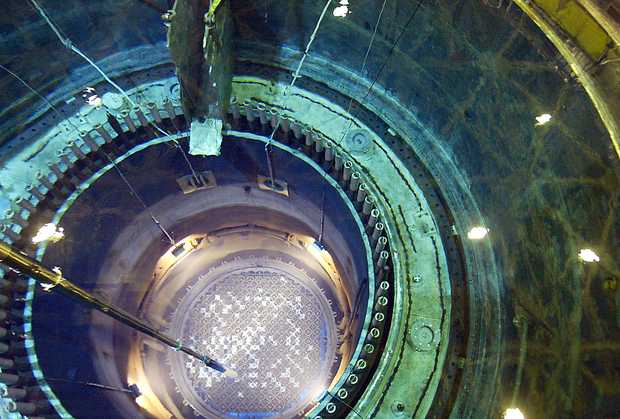
BPA's principal electric sales are its tier 1 electric sales to preference customers that include municipal, cooperative, and tribal utilities. Three-quarters of these sales are from emissions-free federal hydroelectric projects. Another 13% of the electricity BPA sells comes from ENW's non-emitting nuclear facility. Consequently, the utility has a very low carbon footprint, limiting, but not eliminating, environmental risks.
Bonneville faces environmental risks inherent in ENW's spent nuclear fuel disposal. Although tier 2 electric sales that exceed the generation capabilities of Bonneville's resources can include carbon-based, conventional generation, these sales represent a small portion of energy sales.
BPA and its ratepayers face considerable recurring costs of remediating fish and wildlife habitats surrounding the hydroelectric facilities. Recent settlement agreements suspend for 10 to 20 years litigation challenging BPA's fish mitigation programs in exchange for Bonneville's commitment to make defined payments for fish remediation programs. The agreements suspending the litigation are facing judicial challenges.
Bonneville's exposure to physical climate risks also manifests in multiple litigations asserting that BPA is liable for $2 billion in damages related to 2020's Holiday Farm fire.
We view social exposures as credit-neutral because the utility's favorable wholesale rates reflect the low variable costs of hydroelectric and nuclear generation and limit affordability issues. Nevertheless, protracted rate proceedings and management's preference for infrequent biennial and triennial rate cases manifest customers' resistance to rate increases.
Because of the high unpredictability of federal policy--along with the economy's stressors and the associated financial pressures consumers are facing--we are monitoring the strength and stability of electric utilities' revenue streams for evidence of delinquent payments or other revenue erosion.
We view regional resistance to rate adjustments as presenting a negative governance risk because we consider the resistance as diminishing management's ratemaking latitude. In addition to its reliance on biennial and triennial rate adjustments, management faces substantial hurdles to contemporaneously recovering in rates unbudgeted costs incurred between rate proceedings. The lengthy periods between rate cases emphasizes the importance of balance-sheet liquidity as a shock absorber. Management's adoption of rates in October 2025 will remain in effect until October 2028 rather than for the typical two-year rate period, compounding uncertainty considerations because of the high barrier to implementing intra-period rate adjustments to respond to changing hydrology and market conditions.
The absence of financial forecasts also negatively influences our management assessment.
Environmental, social, and governance (ESG) credit factors for this change in credit rating/outlook and/or CreditWatch status:
Governance structure
The negative outlook reflects weak hydrology conditions that have led to consecutive years of less than 1.0x coverage of total federal and nonfederal debt service, the associated declining unrestricted cash balances, diminished surplus power sales, management's limited ability to increase rates except under significantly deteriorated financial conditions, and the specter of a large capital program's financing needs.
We could lower the SACP and the GRE ratings if Bonneville continues to face adverse power market and hydrology conditions that erode coverage and liquidity metrics. A lower sovereign rating or negative outlook on the sovereign rating could also lead us to lower our rating on BPA.
We do not expect to revise upward the SACP as the utility addresses substantial capital needs and faces the limited financial flexibility that biennial and triennial rate cases provide. In addition, we view financial performance as susceptible to hydrology conditions that can adversely affect the revenues BPA earns from surplus energy sales.
learn more on topics covered in the film
see the video
read the script
learn the songs
discussion forum